
Noise assessments for air conditioning units
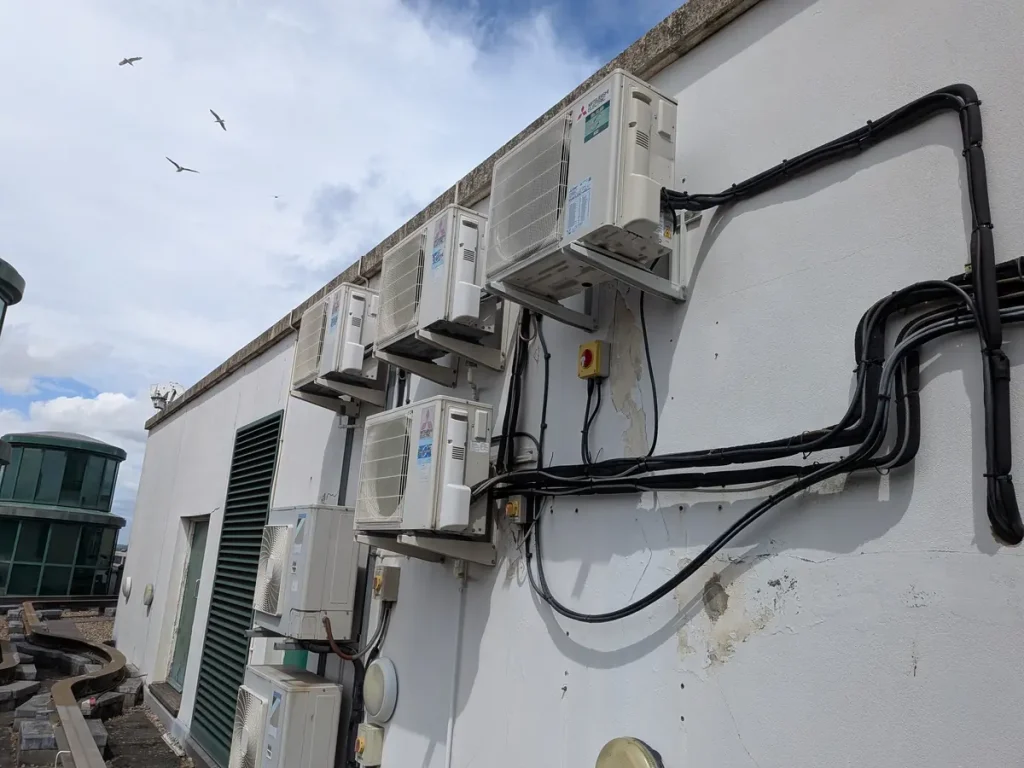
Air conditioning is no longer just for offices and shops. More and more homes, restaurants, hotels and small businesses are installing cooling. Outdoor condenser units can be a significant source of noise for neighbours, particularly at night, when background noise levels are lowest and the units may still be running.
That’s why Local Authorities often ask for a noise impact assessment before they grant planning permission for new air conditioning units. Many also attach conditions setting strict noise limits at the nearest homes.
At Venta Acoustics, we assess air conditioning noise for homeowners, businesses, installers and developers. We give the council the information it needs and give you practical advice to keep the units within the limits.
Contact us for a no-obligation discussion and a free quotation.
When do you need an assessment?
- Planning applications. Depending on the property and its location, new outdoor units may need planning permission, and the council will usually want evidence that noise won’t disturb neighbours.
- Discharging planning conditions. Where a permission includes a condition on plant noise, we can show compliance before or after installation.
- Listed buildings and conservation areas. These often carry additional restrictions and scrutiny.
- Noise complaints. If neighbours or the council have raised concerns about existing units, we can measure the noise, assess it and recommend a fix.
- Commercial premises. Restaurants, shops, hotels and offices with multiple condensers or rooftop plant, often alongside kitchen extract systems.
How the assessment works
- Agree the criteria. Many councils set their own plant noise limits, often requiring noise from new plant to be a set margin below the existing background noise level. We confirm the council’s requirements at the outset.
- Background noise survey. We measure existing noise levels, usually over several days and nights, to establish the background level at the most sensitive times, typically late at night.
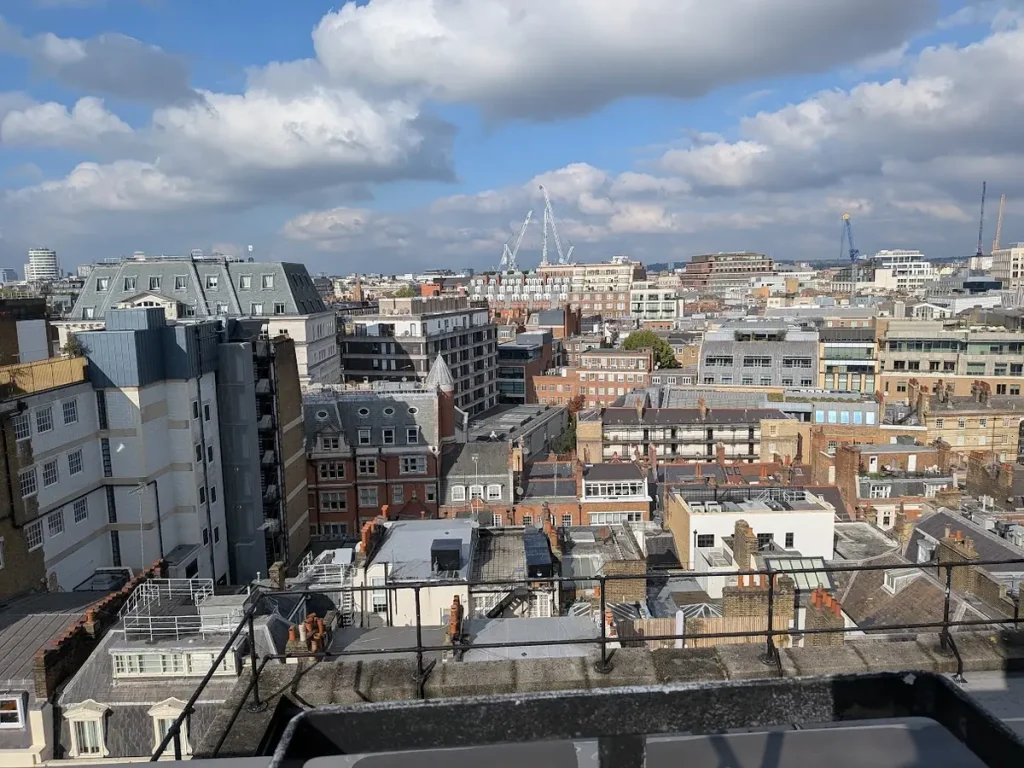
- Predict noise levels. Using the manufacturer’s data for your chosen units, we calculate noise levels at the nearest neighbouring windows. We take account of distance, screening, reflections and the number of units running.
- Assess. The predicted levels are assessed against the council’s criteria and, where appropriate, BS 4142:2014+A1:2019.
- Report. You receive a clear technical report, ready to submit with your planning application or condition discharge.
Practical mitigation
If the units are too loud, there’s usually a practical solution. Depending on the site, we may recommend:
- Choosing quieter units, or using a low-noise or night mode
- Moving the units further from neighbouring windows, or to a screened position
- Acoustic enclosures, louvres or barriers
- Anti-vibration mounts, to stop vibration travelling into the building structure
- Limits on operating hours where appropriate
Getting advice before you buy and install units is much cheaper than retrofitting mitigation afterwards. If you’re an installer, we’re happy to review unit selections and locations at quotation stage.
Noise inside buildings
Air conditioning can also cause noise problems indoors, from fan coil units, ductwork and indoor cassettes. Our building services acoustics team can help with noise inside offices, hotels and homes.
Considering a heat pump instead?
Air source heat pumps can have their own assessment requirements, including the MCS 020(a) noise calculation.
Why choose Venta Acoustics?
- Extensive experience of plant noise assessments for planning
- We know what Local Authority Environmental Health Officers expect to see
- Quick turnaround, so that your installation isn’t held up
- Cost-effective mitigation advice that works
Get in touch with your site address and the make and model of the proposed units, and we’ll explain what’s needed and what it will cost.